Genetic Relationships of Azerbaijani Aegilops tauschii Coss. Accessions Revealed by SNP Markers in Coding RegionsГенетические взаимосвязи азербайджанских образцов Aegilops tauschii Coss., выявленные SNP-маркерами кодирующих областейКодтаушы аймақтардың SNP-маркерлері арқылы анықталған әзірбайжандық Aegilops tauschii Coss. үлгілерінің генетикалық байланыстары
- School of Agriculture and Food Sciences, ADA University, Baku, Azerbaijan
- Azerbaijan Food Safety Institute, Baku, Azerbaijan
- Genetic Resources Institute of the Ministry of Science and Education of Republic of Azerbaijan, Baku, Azerbaijan
- Baku State University, Baku, Azerbaijan
AbstractАннотацияАңдатпа
Aegilops tauschii Coss., a wild wheat relative, likely originated in the Transcaucasus region, including Azerbaijan. Natural variation in Ae. tauschii populations, particularly ssp. strangulata, offers opportunities to improve modern bread wheat varieties. This study assessed genetic relationships among 64 Ae. tauschii genotypes from Azerbaijan using 56,837 coding sequence (CDS)-derived single nucleotide polymorphism (SNP) markers from coding regions. The SNPs comprised 67.9% transitions and 32.1% transversions. The genetic diversity index (GDI) in the local Ae. tauschii collection averaged 0.220, and the polymorphism information content (PIC) was 0.183. Pairwise genetic distances ranged from 0 to 0.392. A dendrogram revealed three distinct clusters, with clusters II and III being the closest (genetic distance 0.0749), while cluster I was similarly distant from both (0.224 and 0.23). No correlation was observed between clustering, geographic origin, or altitude. The lack of Lineage 1 (L1) accession co-clustering may result from limited genetic variation within coding regions, the small number of studied L1 accessions, and overall low genetic distances. However, distinct sublineages or populations of ssp. strangulata were identified in Azerbaijan, with close genetic distances. The principal coordinate analysis (PCoA) revealed three distinct groups (A, B, and C) without intermediate genotypes, with the first axis accounting for 68.3% of the total variation. Genetic distances between groups A and B, A and C, and B and C were low, measuring 0.14, 0.137, and 0.194, respectively. These findings highlight the importance of conserving Aegilops genetic resources, which could contribute to wheat breeding and crop resilience.
IntroductionВведениеКіріспе
Ae. tauschii Coss. (2n = 2× = 14), a wild wheat relative, belongs to the Triticeae tribe of the grass family, which includes important crops such as wheat and barley. The species is thought to have primarily originated in the Transcaucasus region, where diploid Aegilops species, including Ae. tauschii, diversified approximately 2.5 to 4.5 million years ago [1, 2].
Ae. tauschii is commonly divided into two primary lineages, referred to as lineage 1 (L1) and lineage 2 (L2) [3]. L1 is predominantly linked with Ae. tauschii Coss. ssp. tauschii, while L2 is mainly associated with Ae. tauschii Coss. ssp. strangulata (Eig) Tzvel. The ssp. tauschii has a broad distribution across the species' range, whereas ssp. strangulata is more restricted, extending from Transcaucasia to eastern Caspian Iran [4, 5]. Recently, a third lineage (L3) was identified by Gaurav et al. (2022), localized to modern-day Georgia [6].
Ae. tauschii ssp. strangulata is a progenitor of the D genome in hexaploid wheat, responsible for the end-use quality of bread wheat [1]. However, the wheat D genome exhibits the lowest genetic diversity compared to its other two genomes (A and B) and to Ae. tauschii itself [7]. This is likely due to the fact that only a limited number of Ae. tauschii accessions from a small geographic area hybridized with wheat during its evolution, resulting in a restricted genetic base for the wheat D genome [8]. It is estimated that only about 25% of the genetic diversity within Ae. tauschii contributed to the early gene flow into hexaploid wheat [6]. Consequently, Ae. tauschii, characterized by significant genetic diversity and its compatibility for hybridization with wheat, presents a valuable genetic resource for enhancing the genetic background of wheat. The species harbors numerous beneficial genes that are important for the bread-making performance of bread wheat [9]. Several Ae. tauschii genes have been identified for resistance to a range of diseases, including Ug99 [10], leaf rust, and stripe rust [11, 12]. Additionally, traits associated with improved grain yield [13], salt and drought tolerance, and frost resistance [14] have been incorporated into wheat. Moreover, the introgression of D genome chromosomes from Ae. tauschii into triticale has improved its end-use quality characteristics [15].
Azerbaijan, recognized as a key region within the Asiatic center of origin for cultivated plants, has a wide range of endemic wild and cultivated species from the genera Aegilops, Triticum, and Secale. Tsunewaki (1966) identified Ae. tauschii in the southwestern Caspian region of Iran and the adjacent mountainous areas of Azerbaijan as a probable source of the D genome in T. aestivum, largely due to the presence of the waxybloom allele [16]. Later, Hammer (1980) traced the origins of Aegilops to the Transcaucasian region, which includes Azerbaijan [17]. Northwestern Iran, bordering Azerbaijan, is noted for its significant diversity of Aegilops species. Kilian et al. (2011) reported that Ae. tauschii is predominantly distributed along the southern Caspian Sea shores and throughout Azerbaijan, emphasizing the region's potential as a reservoir for valuable alleles in Ae. tauschii [18]. The natural variation in Ae. tauschii populations, particularly subspecies strangulata, within Azerbaijan offers significant opportunities for enhancing modern bread wheat varieties.
The genetic diversity of Ae. tauschii has been extensively studied both globally and in Azerbaijan using various molecular techniques. These include RFLP [1], microsatellites [19, 20], IRAP [21], single nucleotide polymorphism (SNPs) [22], and DNA sequencing [23]. The draft genome of Ae. tauschii was first sequenced in 2013 [24], which has enabled the development of new DNA markers for further research. Gaurav et al. (2022) provided sequence data for 242 Ae. tauschii accessions and compared them to the wheat D subgenome, characterizing the genomic diversity within the species [6]. In Azerbaijan, numerous studies have also explored the genetic diversity of Aegilops species, including Ae. tauschii, using morpho-agronomic traits [25] and various molecular markers such as SSR [26], DArT-seq [27], and SNP [28]. These molecular studies have provided important insights into the genetic structure of Ae. tauschii germplasm. However, further research utilizing advanced molecular markers is essential to fully characterize the genetic diversity and identify valuable traits within this germplasm for effective breeding programs.
In recent decades, SNP markers have emerged as a powerful tool in molecular genetics, largely due to their abundance in genomes and compatibility with high-throughput detection methods. SNPs are found in nearly all genomic regions, including coding sequences (CDS). Although the number of SNPs in the coding regions is relatively low due to the higher conservation of these regions compared to other genomic regions, these SNPs offer a crucial tool for detecting causative mutations [29].
The primary objective of this study is to assess the genetic relationships among Azerbaijani Ae. tauschii genotypes using SNP markers in the CDS regions. This research aims to provide a targeted analysis of genetic relationships within these local genotypes, contributing to a more detailed understanding of genetic diversity and its potential applications in breeding.
Materials and MethodsМатериалы и методыМатериалдар мен әдістер
Sixty-four Aegilops tauschii accessions from various regions of Azerbaijan were selected from a broader set provided by Gaurav et al. (2022) for use in this study [6]. The accession numbers and geographic coordinates are provided in Table 1. The regions were identified using Google Maps, based on these coordinates.
SNP data were obtained from the Open Wild Wheat Consortium Variant (SNP) dataset [6]. To manage the large dataset, Python was used to automate tasks such as extracting information from VCF files and selecting SNPs located in coding sequence (CDS) regions.
Genetic diversity index (GDI) and polymorphism information content (PIC) for the studied SNP loci were calculated according to Weir (1990) [30] and Botstein et al. (1980) [31], respectively. Cluster analysis, principal coordinate analysis (PCoA), and an Unweighted Neighbor-Joining (UNJ) tree with 1000 bootstraps were constructed using the DARwin 6.0 software package.
| № | ID | Latitude | Longitude | Region |
|---|---|---|---|---|
| 6 | BW_01007 | 40.5691 | 48.4008 | Agsu |
| 7 | BW_01008 | 39.4731 | 46.4910 | Lachin |
| 8 | BW_01009 | 40.4093 | 49.8671 | Baku |
| 9 | BW_01010 | 41.4751 | 46.6228 | Zagatala |
| 10 | BW_01011 | 38.7529 | 48.8475 | Lankaran |
| 11 | BW_01012 | 41.2160 | 48.9946 | Shabran |
| 13 | BW_01015 | NA | NA | NA |
| 14 | BW_01016 | NA | NA | NA |
| 15 | BW_01019 | NA | NA | NA |
| 16 | BW_01020 | NA | NA | NA |
| 17 | BW_01021 | NA | NA | NA |
| 18 | BW_01022 | 39.0500 | 48.6667 | Masalli |
| 29 | BW_01039 | NA | NA | NA |
| 30 | BW_01041 | 41.1975 | 47.1571 | Sheki |
| 31 | BW_01042 | 40.7430 | 48.2126 | Ismailli |
| 32 | BW_01043 | 39.5379 | 47.3034 | Masalli |
| 33 | BW_01044 | 39.0857 | 46.6525 | Zangilan |
| 34 | BW_01045 | 39.0350 | 46.3627 | Zangilan |
| 44 | BW_01060 | 39.9266 | 48.9206 | Shirvan |
| 45 | BW_01062 | 39.9266 | 48.9206 | Shirvan |
| 46 | BW_01063 | 39.9096 | 48.3595 | Saatli |
| 47 | BW_01065 | 40.6319 | 48.6364 | Shamakhi |
| 48 | BW_01066 | 40.6319 | 48.6364 | Shamakhi |
| 49 | BW_01068 | 40.5742 | 48.3896 | Agsu |
| 50 | BW_01069 | 40.5742 | 48.3896 | Agsu |
| 51 | BW_01070 | 40.5742 | 48.3896 | Agsu |
| 52 | BW_01071 | 40.6042 | 48.4396 | Agsu |
| 53 | BW_01072 | 40.6042 | 48.4396 | Agsu |
| 54 | BW_01073 | 40.7042 | 48.4896 | Agsu |
| 55 | BW_01074 | 40.7042 | 48.4896 | Agsu |
| 56 | BW_01076 | 40.7042 | 48.4896 | Agsu |
| 57 | BW_01077 | 40.7042 | 48.4896 | Agsu |
| 58 | BW_01078 | 40.7042 | 48.4896 | Agsu |
| 66 | BW_01091 | 41.2160 | 48.9946 | Shabran |
| 75 | BW_01102 | 40.3911 | 47.4426 | Agdash |
| 76 | BW_01103 | NA | NA | NA |
| 77 | BW_01104 | 40.0127 | 48.4788 | Sabirabad |
| 78 | BW_01105 | NA | NA | NA |
| 79 | BW_01106 | 40.3000 | 47.0100 | Tartar |
| 80 | BW_01107 | 39.0341 | 48.6589 | Masalli |
| 81 | BW_01108 | 40.5319 | 49.2400 | Khizi |
| 82 | BW_01109 | 40.3800 | 48.3700 | Agsu |
| 83 | BW_01110 | 40.3800 | 48.3700 | Agsu |
| 84 | BW_01111 | 40.3800 | 48.3700 | Agsu |
| 85 | BW_01112 | 40.5100 | 49.2400 | Qobustan |
| 86 | BW_01113 | 40.5900 | 47.5000 | Agdash |
| 87 | BW_01114 | 38.9059 | 48.2496 | Yardimli |
| 89 | BW_01116 | 40.3900 | 48.3900 | Agsu |
| 90 | BW_01117 | 40.4200 | 48.6500 | Shamakhi |
| 91 | BW_01118 | 40.5100 | 49.2400 | Qobustan |
| 92 | BW_01119 | 40.5700 | 48.3800 | Agsu |
| 93 | BW_01120 | 41.1200 | 47.1000 | Sheki |
| 94 | BW_01121 | 40.5900 | 47.5000 | Agdash |
| 95 | BW_01122 | 41.1500 | 48.5400 | Quba |
| 96 | BW_01123 | 41.1200 | 49.2000 | NA |
| 97 | BW_01124 | 40.3800 | 48.3700 | Agsu |
| 138 | BW_01179 | 40.6300 | 48.6300 | Shamakhi |
| 139 | BW_01181 | 40.6300 | 48.6300 | Shamakhi |
| 140 | BW_01182 | NA | NA | NA |
| 153 | BW_23958 | 40.98369 | 47.122595 | Sheki |
| 193 | BW_23998 | 40.50005 | 48.980183 | Qobustan |
| 194 | BW_23999 | 39.45755 | 45.361033 | Babek |
| 198 | BW_23890 | 40.57015 | 48.747711 | Qobustan |
| 203 | BW_23895 | 40.39736 | 49.852447 | Baku |
ResultsРезультатыНәтижелер
The genetic diversity of Aegilops tauschii accessions collected from different regions of Azerbaijan was evaluated using 56,837 SNP markers located within coding DNA sequence (CDS) regions.
A total of 67.9% of the SNPs identified in the CDS regions were transitions (Ts), whereas 32.1% were transversions (Tv) (Table 2). Among the transition mutations, G→A was the most frequent (12,376 occurrences), followed by C→T (12,326 occurrences). In total, 18,231 transversions were detected. All eight transversion classes were represented, with C→G being the most frequent (3193 occurrences) and T→A the least frequent (1396 occurrences). The overall Ts/Tv ratio was 2.1.
| Substitutions | Number | Substitutions | Number |
|---|---|---|---|
| Transitions (Ts) | 38606 | Transversions (Tv) | 18231 |
| A/G | 7013 | C/G | 3193 |
| C/T | 12326 | A/T | 1481 |
| G/A | 12376 | G/T | 2800 |
| T/C | 6891 | A/C | 1612 |
| G/C | 3253 | ||
| C/A | 2897 | ||
| T/G | 1599 | ||
| T/A | 1396 | ||
| Ts% | 67.9 | Tv% | 32.1 |
| Total | 56837 | Ts/Tv | 2.1 |
The average genetic diversity index (GDI) across the 56,837 SNP loci was 0.220, while the polymorphism information content (PIC) was 0.183. For comparison, the GDI was also calculated for a broader panel of 254 Ae. tauschii accessions originating from different countries, including the 64 Azerbaijani accessions analyzed in this study, using the same SNP loci. The resulting GDI was 0.21.
Pairwise genetic distances among the studied accessions ranged from 0 to 0.392. The minimum genetic distance was observed between four pairs of accessions, whereas the maximum distance occurred between BW_01020 (No. 16) and BW_01044 (No. 33).
Cluster analysis based on SNP markers grouped the accessions into three major clusters (Figure 1). Most branches were supported by bootstrap values of 100%. Clusters II and III were the most closely related, with a genetic distance of 0.0749, whereas cluster I was similarly distant from clusters II and III, with genetic distances of 0.224 and 0.230, respectively. Cluster I contained the majority of the analyzed accessions and was further divided into two subclusters (Ia and Ib) separated by a genetic distance of 0.229. Subcluster Ia comprised 16 accessions and showed the closest relationship to cluster II, with a genetic distance of 0.106. Subcluster Ib formed two distinct groups connected by a relatively long branch in the dendrogram. Three accessions (BW_01044, BW_01070, and BW_01110) were clearly separated from the remaining members of subcluster Ib, with a genetic distance of 0.14. Two of these accessions originated from the Agsu region and one from the Zangilan district. No comparable subdivision was observed within clusters II or III.
To further examine the factors underlying the observed genetic clustering, the relationships between cluster membership and geographical origin, altitude, and subtaxonomic classification were evaluated. No clear association was observed between genetic clustering and the geographical origin of the accessions. Accessions collected from the same regions, including Masalli, Gobustan, and Shamakhi, were distributed among different clusters. Of the 17 accessions from Agsu, nine were assigned to clusters II and III, five to subcluster Ia, and three to subcluster Ib.
Similarly, clustering did not correspond to collection altitude. Accessions collected across a broad altitudinal range were distributed throughout all clusters and subclusters. For example, accession BW_01045 from Zangilan (2,175 m) clustered in subcluster Ia with BW_01008 from Lachin (1,125 m), whereas accession BW_01122 collected at 1,675 m was assigned to subcluster Ib, and the Babek accession collected at 1,350 m was grouped in cluster II. Nevertheless, 11 of the 26 genotypes (42.3%) in clusters II and III originated from elevations above 600 m, compared with 8 of the 38 accessions (21.0%) in cluster I.
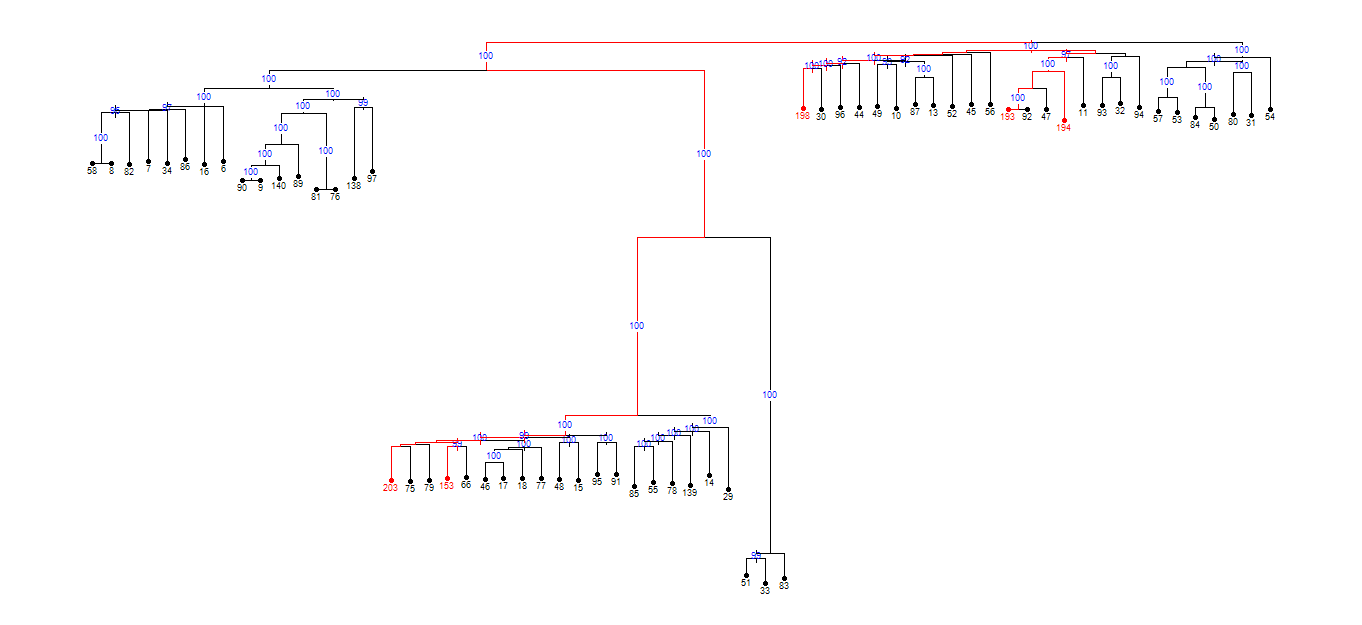
Most of the analyzed material belonged to Ae. tauschii subsp. strangulata, whereas only five accessions were classified as subsp. tauschii. The subsp. tauschii accessions were distributed among different clusters rather than forming a distinct group. Two accessions (BW_23895 and BW_23958) were assigned to subcluster Ib with a genetic distance of 0.047, whereas the remaining three accessions (BW_23998, BW_23999, and BW_23890) were grouped within cluster II, with pairwise genetic distances ranging from 0.050 to 0.097. Consequently, no distinct clustering of the L1 lineage was observed in the dendrogram. Notably, accession BW_23998 (ssp. tauschii) from Gobustan showed an identical SNP profile to accession BW_01119 (ssp. strangulata) from Agsu.
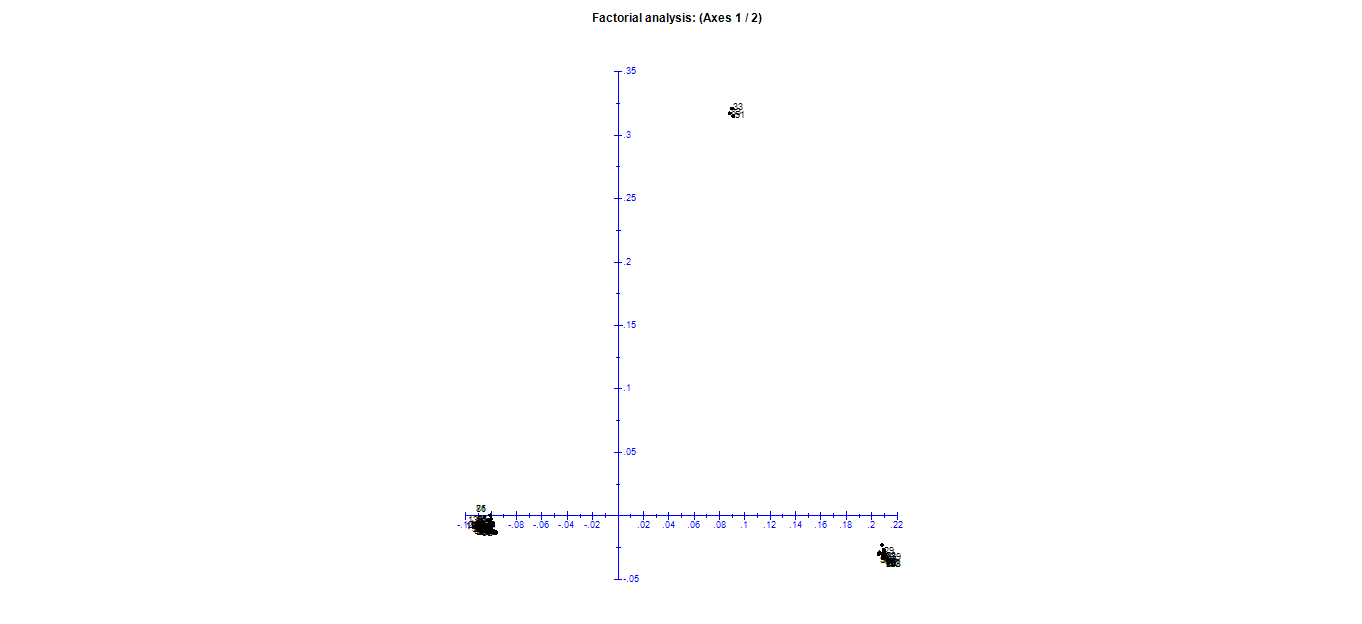
Principal coordinate analysis (PCoA) further resolved the genetic relationships among the accessions (Figure 2). The first principal coordinate explained 68.3% of the total genetic variation, while the first three coordinates together accounted for 90.5%. Three distinct groups were identified, although their organization differed from that obtained by hierarchical cluster analysis. Group A comprised three accessions corresponding to subcluster Ib and exhibited within-group genetic distances ranging from 0.027 to 0.034 (mean = 0.030). Group B included the remaining accessions of subcluster Ib, with pairwise genetic distances ranging from 0.020 to 0.098 (mean = 0.066). Group C contained accessions from clusters II and III together with subcluster Ia and showed genetic distances ranging from 0 to 0.150 (mean = 0.100). Among the 17 accessions collected from Agsu, two belonged to Group A, one to Group B, and fourteen to Group C. The genetic distances between Groups A and B, A and C, and B and C were 0.140, 0.137, and 0.194, respectively.
DiscussionОбсуждениеТалқылау
Uncovering the genetic diversity and relationships within Aegilops tauschii accessions is crucial for understanding their evolutionary potential and for utilizing their valuable traits in breeding programs. Careful selection of parental accessions is essential for enhancing genetic diversity in future cultivars.
In the current study a total of 56,837 SNP markers in the CDS regions were used to study the genetic diversity of A. tauschii accessions.
The predominance of transition mutations over transversions is consistent with the mutational patterns commonly observed in coding regions of plant genomes. Transitions generally produce synonymous substitutions more frequently than transversions and are therefore less likely to alter protein function. In particular, the high frequency of C→T transitions is consistent with the spontaneous deamination of methylated cytosine, a well-recognized source of mutations in CpG-rich genomic regions. Likewise, the Ts/Tv ratio of 2.1 agrees with the expected transition bias reported in many plant genomes and reflects the evolutionary constraints acting on protein-coding sequences [32].
The moderate GDI and PIC values observed in this study are consistent with the conserved nature of coding regions and the biallelic characteristics of SNP markers, both of which generally reduce estimates of genetic diversity compared with multiallelic marker systems. The diversity estimates are comparable to those previously reported for Ae. tauschii and related wheat germplasm using SNP markers, although somewhat lower than values obtained with highly polymorphic marker systems such as SCoT [3, 33]. Furthermore, the similar GDI values obtained for the Azerbaijani subset (0.22) and the broader global collection (0.21) suggest that the Azerbaijani germplasm captures a substantial proportion of the genetic diversity represented in the larger dataset. This finding highlights the potential value of Azerbaijani Ae. tauschii accessions as a genetic resource for wheat improvement.
The cluster analysis revealed clear genetic structuring within the Azerbaijani collection, with three principal clusters and further subdivision within cluster I. The distinct separation of three accessions within subcluster Ib suggests the presence of genetically differentiated germplasm that may represent unique breeding resources. The high bootstrap support across the dendrogram further indicates that the inferred genetic relationships are robust.
The absence of a clear relationship between genetic clustering and either geographical origin or altitude suggests that these factors have had only a limited influence on the current genetic structure of the Azerbaijani Ae. tauschii collection. Similar findings have been reported for Turkish and Syrian Triticum durum accessions, where SNP-based clustering showed no significant association with geographical origin [34]. In contrast, Abbasov et al. (2020) reported a partial correspondence between SNP-based clustering and geographical distribution in Ae. tauschii [27]. These differences may reflect variation in sampling strategies, marker systems, or the genetic composition of the analyzed populations.
Although Ae. tauschii has traditionally been divided into two subspecies based on spike morphology (ssp. tauschii and ssp. strangulata) [17], molecular studies have shown that the genetic lineages L1 and L2 provide a more informative framework for describing population structure. In the present study, the L1 accessions did not form a separate cluster, contrasting with previous studies in which STRUCTURE analysis consistently distinguished the L1 and L2 lineages [28]. The lack of differentiation observed here is likely attributable to the use of SNPs located exclusively within coding sequences, which represent the most evolutionarily conserved regions of the genome [35]. The limited number of L1 accessions and the relatively low overall genetic distances among the analyzed genotypes may have further reduced the ability to resolve lineage-specific clustering.
The identical SNP profile observed between one ssp. tauschii accession and one ssp. strangulata accession is noteworthy. Gene flow between these subspecies remains debated. Evidence from Iran has suggested historical hybridization and introgression between the two taxa [4], whereas studies from Transcaucasia have proposed that they are largely genetically isolated [5]. Nevertheless, occasional hybridization and the occurrence of intermediate forms have also been documented [1]. Consequently, the observed similarity between these two accessions may reflect historical introgression or shared ancestry, although additional analyses using more variable genomic regions would be required to clarify this relationship.
The overall topology of the dendrogram suggests that the genetic structure of the Azerbaijani collection is driven primarily by differentiation within Ae. tauschii subsp. strangulata. This observation is consistent with previous studies reporting multiple sublineages within the L2 lineage, including distinct groups identified in Azerbaijan and around the southwestern Caspian Sea [27, 28]. The presence of these sublineages supports the view that the southwestern Caspian region represents an important center of diversity for the D-genome progenitor of bread wheat.
The PCoA supported the existence of three genetically distinct groups, although their composition differed from that inferred by hierarchical clustering. Such differences are expected because hierarchical clustering and PCoA summarize genetic relationships using different mathematical approaches. While dendrograms impose a hierarchical structure on the data, PCoA preserves the overall variance and spatial relationships among genotypes without hierarchical constraints [36]. Therefore, the complementary use of both methods provides a more comprehensive assessment of population structure [37].
The low genetic distances observed among the PCoA groups, despite their clear separation in the ordination plot, suggest that differentiation among groups is driven by variation at a limited number of informative loci rather than by extensive genome-wide divergence. This pattern is consistent with the generally high genetic similarity expected when analyses are based on conserved coding regions.
ConclusionsВыводыҚорытынды
In conclusion, the results indicate moderate genetic diversity and the presence of distinct genetic groups within the Aegilops collection of Azerbaijani origin, as revealed by SNPs in the CDS regions. The analysis demonstrates that the coding regions are highly conserved between the two subspecies. The findings underscore the importance of conserving Aegilops genetic resources in Azerbaijan, as they may significantly contribute to advancements in wheat breeding and crop resilience in the region.
Author ContributionsВклад авторовАвторлардың үлесі
Conceptualization: M.A.; Methodology and bioinformatic analysis: U.H.-M., O.M.; Data interpretation: S.B., F.A., E.H.; Writing – original draft: S.B.; Review & editing: M.A., F.A., U.H.-M., O.M., E.H., S.B. All authors have read and agreed to the published version of the manuscript.
AcknowledgmentsБлагодарностиАлғыс сөздер
This work was supported by the Azerbaijan Science Foundation – Grant № AEF-MGC-2024-2(50)-16/08/3-M-08.
FundingФинансированиеҚаржыландыру
No external funding was received for this study.Внешнее финансирование исследования не привлекалось.Зерттеу үшін сыртқы қаржыландыру тартылған жоқ.
Competing InterestsКонфликт интересовМүдделер қақтығысы
The authors have declared that no competing interests exist.Авторы заявляют об отсутствии конфликта интересов.Авторлар мүдделер қақтығысы жоқ екенін мәлімдейді.
ReferencesЛитератураӘдебиеттер
- Dvorak, J., Luo, M. C., Yang, Z. L., & Zhang, H. B. (1998). The structure of the Aegilops tauschii genepool and the evolution of hexaploid wheat. Theoretical and Applied Genetics, 97, 657–670. DOI: 10.1007/s001220050942
- Huang, S., Sirikhachornkit, A., Su, X., Faris, J., Gill, B., et al. (2002). Genes encoding plastid acetyl-CoA carboxylase and 3-phosphoglycerate kinase of the Triticum/Aegilops complex and the evolutionary history of polyploid wheat. Proceedings of the National Academy of Sciences, 99, 8133–8138. DOI: 10.1073/pnas.072223799
- Singh, N., Wu, S., Tiwari, V., Sehgal, S., Raupp, J., et al. (2019). Genomic analysis confirms population structure and identifies inter-lineage hybrids in Aegilops tauschii. Frontiers in Plant Science, 10, Article 9. DOI: 10.3389/fpls.2019.00009
- Kihara, H., Yamashita, H., & Tanaka, M. (1965). Morphologic, physiological, genetical, and cytological studies in Aegilops and Triticum collected in Pakistan, Afghanistan, and Iran. In K. Yamashita (Ed.), Cultivated plants and their relatives (pp. 4–41). Kyoto University Press.
- Jaaska, V. (1980). Electrophoretic survey of seedling esterases in wheats in relation to their phylogeny. Theoretical and Applied Genetics, 56, 273–284. DOI: 10.1007/BF00282570
- Gaurav, K., Arora, S., Silva, P., Sánchez-Martín, J., Horsnell, R., et al. (2022). Population genomic analysis of Aegilops tauschii identifies targets for bread wheat improvement. Nature Biotechnology, 40(3), 422–431. DOI: 10.1038/s41587-021-01058-4
- Mirzaghaderi, G., & Mason, A. S. (2019). Broadening the bread wheat D genome. Theoretical and Applied Genetics, 132, 1295–1307. DOI: 10.1007/s00122-019-03299-z
- Lagudah, E. S., Appels, R., Brown, A. D. H., & McNeil, D. (1991). The molecular-genetic analysis of Triticum tauschii, the D-genome donor to hexaploid wheat. Genome, 34(3), 375–386. DOI: 10.1139/g91-059
- Li, Y., Zhou, R., Wang, J., Liao, X., Branlard, G., et al. (2012). Novel and favorable allele clusters for end-use quality revealed by introgression lines derived from synthetic wheat. Molecular Breeding, 29, 627–643. DOI: 10.1007/s11032-011-9578-6
- Olson, E. L., Rouse, M. N., Pumphrey, M. O., Bowden, R. L., Gill, B. S., et al. (2013). Introgression of stem rust resistance genes SrTA10187 and SrTA10171 from Aegilops tauschii to wheat. Theoretical and Applied Genetics, 126, 2477–2484. DOI: 10.1007/s00122-013-2148-z
- Huang, L., Zhang, L. Q., Liu, B. L., Yan, Z. H., Zhang, B., et al. (2011). Molecular tagging of a stripe rust resistance gene in Aegilops tauschii. Euphytica, 179, 313–318. DOI: 10.1007/s10681-010-0330-9
- Liu, D., Zhang, L., Yan, Z., Lan, X., & Zheng, Y. (2010). Stripe rust resistance in Aegilops tauschii and its genetic analysis. Genetic Resources and Crop Evolution, 57, 325–332. DOI: 10.1007/s10722-009-9510-7
- Gororo, N. N., Eagles, H. A., Eastwood, R. F., Nicolas, M. E., & Flood, R. G. (2002). Use of Triticum tauschii to improve yield of wheat in low-yielding environments. Euphytica, 123, 241–254. DOI: 10.1023/A:1014910000128
- Galaeva, M. V., Fayt, V. I., Chebotar, S. V., Galaev, A. V., & Sivolap, Y. M. (2013). Association of microsatellite loci alleles of group 5 chromosomes with frost resistance in winter wheat. Cytology and Genetics, 47(5), 261–267. DOI: 10.3103/S0095452713050046
- Mahmood, A., Baenziger, P. S., Budak, H., Gill, K. S., & Dweikat, I. (2004). The use of microsatellite markers for the detection of genetic similarity among winter bread wheat lines for chromosome 3A. Theoretical and Applied Genetics, 109(7), 1494–1503. DOI: 10.1007/s00122-004-1766-x
- Tsunewaki, K. (1966). Comparative gene analysis of common wheat and its ancestral species. III. Glume hairiness. Genetics, 53(2), 303–311. DOI: 10.1093/genetics/53.2.303
- Hammer, K. (1980). Vorarbeiten zur monographischen Darstellung von Wildpflanzensortimenten: Aegilops L. Kulturpflanze, 28, 33–180. DOI: 10.1007/BF02014641
- Kilian, B., Mammen, K., Millet, E., Sharma, R., Graner, A., et al. (2011). Aegilops. In C. Kole (Ed.), Wild crop relatives: Genomic and breeding resources: Cereals (pp. 1–76). Springer. DOI: 10.1007/978-3-642-14228-4_1
- Naghavi, M. R., Hajikram, M., Taleei, A. R., & Aghaei, M. J. (2010). Microsatellite analysis of genetic diversity and population genetic structure of Aegilops tauschii Coss. in northern Iran. Genetic Resources and Crop Evolution, 57, 423–430. DOI: 10.1007/s10722-009-9481-8
- Yu, H., Yang, J., Cui, H., Abbas, A., Wei, S., et al. (2021). Distribution, genetic diversity and population structure of Aegilops tauschii Coss. in major wheat-growing regions in China. Agriculture, 11(4), Article 311. DOI: 10.3390/agriculture11040311
- Saeidi, H., Rahimnejad, M. R., & Heslop-Harrison, J. S. (2008). Retroelement insertional polymorphisms, diversity and phylogeography within diploid, D-genome Aegilops tauschii (Triticeae, Poaceae) sub-taxa in Iran. Annals of Botany, 101(6), 855–861. DOI: 10.1093/aob/mcn042
- Su, Y., Zou, M., Zhu, Y., Han, X., Li, Y., et al. (2020). Analysis of population structure and origin in Aegilops tauschii Coss. from China through SNP markers. Genetic Resources and Crop Evolution, 67(3), 923–934. DOI: 10.1007/s10722-020-00890-y
- Kroupin, P. Y., Chernook, A. G., Bazhenov, K. G. I., Goncharov, N. P., Chikida, N. N., et al. (2020). Allele mining of TaGRF-2D gene 5′-UTR in Triticum aestivum and Aegilops tauschii genotypes. PLoS ONE, 15(4), e0231704. DOI: 10.1371/journal.pone.0231704
- Jia, J., Zhao, S., Kong, X., Li, Y., Zhao, G., et al. (2013). Aegilops tauschii draft genome sequence reveals a gene repertoire for wheat adaptation. Nature, 496(7443), 91–95. DOI: 10.1038/nature12028
- Eldarov, M., Aminov, N., & van Slageren, M. (2015). Distribution and ecological diversity of Aegilops L. in the Greater and Lesser Caucasus regions of Azerbaijan. Genetic Resources and Crop Evolution, 62(2), 265–273. DOI: 10.1007/s10722-014-0151-0
- Abbasov, M., Brueggeman, R., Raupp, J., Akparov, Z., Aminov, N., et al. (2019). Genetic diversity of Aegilops L. species from Azerbaijan and Georgia using SSR markers. Genetic Resources and Crop Evolution, 66, 453–463. DOI: 10.1007/s10722-018-0725-3
- Abbasov, M., Sansaloni, C. P., Burgueño, J., Petroli, C. D., Akparov, Z., et al. (2020). Genetic diversity analysis using DArTseq and SNP markers in populations of Aegilops species from Azerbaijan. Genetic Resources and Crop Evolution, 67, 281–291. DOI: 10.1007/s10722-019-00866-7
- Wang, J., Luo, M. C., Chen, Z., You, F. M., Wei, Y., et al. (2013). Aegilops tauschii single nucleotide polymorphisms shed light on the origins of wheat D-genome genetic diversity and pinpoint the geographic origin of hexaploid wheat. New Phytologist, 198(3), 925–937. DOI: 10.1111/nph.12164
- Varshney, R. K. (2009). Gene-based marker systems in plants: High-throughput approaches for marker discovery and genotyping. In S. M. Jain & D. S. Brar (Eds.), Molecular techniques in crop improvement (pp. 119–142). Springer. DOI: 10.1007/978-90-481-2967-6_5
- Weir, B. S. (1990). Genetic data analysis: Methods for discrete genetic data. Sinauer Associates.
- Botstein, D., White, R. L., Skolnick, M., & Davis, R. W. (1980). Construction of a genetic linkage map in man using restriction fragment length polymorphisms. American Journal of Human Genetics, 32, 314–331.
- Jeziorska, D. M., Murray, R. J., De Gobbi, M., Gaentzsch, R., Garrick, D., et al. (2017). DNA methylation of intragenic CpG islands depends on their transcriptional activity during differentiation and disease. Proceedings of the National Academy of Sciences, 114(36), E7526–E7535. DOI: 10.1073/pnas.1703087114
- Pour-Aboughadareh, A., Ahmadi, J., Mehrabi, A. A., Etminan, A., & Moghaddam, M. (2018). Insight into the genetic variability analysis and relationships among some Aegilops and Triticum species, as genome progenitors of bread wheat, using SCoT markers. Plant Biosystems, 152, 694–703. DOI: 10.1080/11263504.2017.1320311
- Baloch, F. S., Alsaleh, A., Shahid, M. Q., Çiftçi, V., de Miera, L. E. S., et al. (2017). A whole-genome DArTseq and SNP analysis for genetic diversity assessment in durum wheat from the Central Fertile Crescent. PLoS ONE, 12(1), e0167821. DOI: 10.1371/journal.pone.0167821
- Xie, J., Huo, N., Zhou, S., Wang, Y., Guo, G., et al. (2017). Sequencing and comparative analyses of Aegilops tauschii chromosome arm 3DS reveal rapid evolution of Triticeae genomes. Journal of Genetics and Genomics, 44(1), 51–61. DOI: 10.1016/j.jgg.2016.09.005
- Wang, F., & Liu, L. (2023). Computational methods and GIS applications in social science. CRC Press. DOI: 10.1201/9781003292302
- Babayeva, S., Hasanova, T., Asadova, A., Mammadova, A., Izzatullayeva, V., et al. (2023). Study of genetic diversity and search for anthracnose resistance alleles in common bean (Phaseolus vulgaris L.) genotypes cultivated in Azerbaijan. Genetika, 55(3), 841–854. DOI: 10.2298/GENSR2303841B
Copyright © 2026 the authors. This is an open-access article distributed under the terms of the Creative Commons Attribution License (CC BY). The use, distribution or reproduction in other forums is permitted, provided the original author(s) and the copyright owner(s) are credited and that the original publication in this journal is cited, in accordance with accepted academic practice. No use, distribution or reproduction is permitted which does not comply with these terms.
Disclaimer: All claims expressed in this article are solely those of the authors and do not necessarily represent those of their affiliated organizations, or those of the publisher, the editors and the reviewers. Any product that may be evaluated in this article or claim that may be made by its manufacturer is not guaranteed or endorsed by the publisher.